
第八届全国声音与音乐技术会议将于2020年11月05-08日(周四-周日)在山西太原召开。(更多信息见会议微信公众号为CSMT--,会议网站为http://www.csmcw-csmt.cn。) 本次会议Keynote嘉宾如下:
-1-
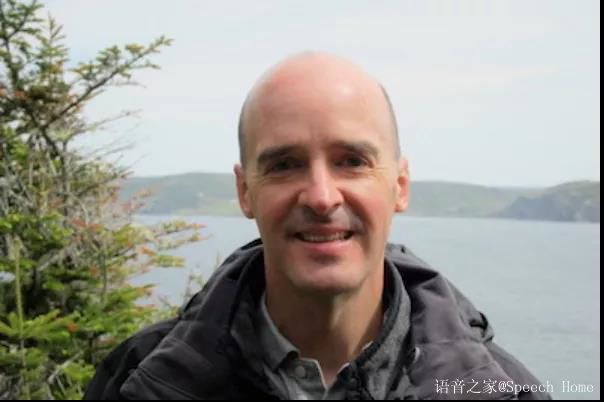
Gary Scavone
麦吉尔大学舒立克音乐学院音乐技术教授,计算声学建模实验室(CAML)主任,麦吉尔大学音乐科技专业方向主席,音乐媒体与技术跨学科研究中心(CIRMMT)“乐器、设备与系统”研究方向联合领导者。
Scavone 博士拥有斯坦福大学的博士学位和硕士学位(音乐和电气工程),以及雪城大学理学学士和学士学位(电气工程和音乐)。1997-2003年,他在斯坦福大学音乐和声学计算机研究中心担任技术总监和研究员。他的研究包括音乐系统的声学建模、分析和合成,以及声音合成软件开发。Scavone博士于2018年被选为美国声学学会(ASA)会士以表彰其在"乐器分析和建模"领域做出的杰出贡献。他指导了7名博士后研究员、14名博士、16名硕士和10名国际访问学生。在麦吉尔的17年里,他和他的学生发表了100多篇期刊和会议论文。同时,Scavone博士也是一位准专业的萨克斯管演奏家,专门从事当代音乐会音乐的演奏。
Dr. Gary Scavone is a Professor of Music Technology in the Schulich School of Music, McGill University, where he directs the Computational Acoustic Modeling Laboratory (CAML). He is also the Area Coordinator for the Music Technology Group at McGill and a Co-Leader of the Instruments, Devices and Systems Axis of the Centre for Interdisciplinary Research in Music Media and Technology (CIRMMT), a multi-institutional research centre based in Montreal, Canada. Dr. Scavone received PhD and MSc degrees (Music and Electrical Engineering) from Stanford University and BSc and BA degrees (Electrical Engineering and Music) from Syracuse University. From 1997-2003, he was Technical Director and Research Associate at the Center for Computer Research in Music and Acoustics at Stanford University. His research includes acoustic modeling, analysis, and synthesis of musical systems and sound synthesis software development. Dr. Scavone was elected as a Fellow of the Acoustical Society of America "for contributions to the analysis and modeling of musical instruments" in 2018. He has supervised 7 post-doctoral researchers, 14 Ph.D., 16 M.A., and 10 visiting international students. He and his students have published over 100 journal and conference papers over his 17 years at McGill. Dr. Scavone is also a semi-professional saxophonist specializing in the performance of contemporary concert music.
个人主页:http://www.music.mcgill.ca/~gary/
CAML:http://www.music.mcgill.ca/caml/doku.php
TITLE: Musical Acoustics Research @ McGill University
ABSTRACT: The Computational Acoustic Modeling Laboratory (CAML) was established by Gary Scavone in the Music Technology Area of the Schulich School of Music, McGill University in 2004. Research in the lab can be roughly organized into three categories: 1. Physics-based modeling for sound synthesis and/or computer-aided instrument evaluation and design; 2. Measurements for the analysis of instrument behaviour or extraction of model parameters; and 3. Perceptual experiments to assess player discrimination or the importance of instrument features / qualities. After a general overview, two current studies will be highlighted in this talk, including one focused on saxophone mouthpiece modeling and a project to" resurrect" Stradivari's Messiah violin.
-2-
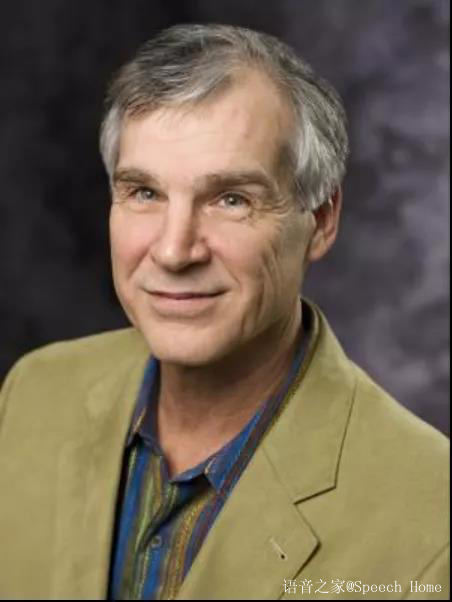
Heinrich Taube
伊利诺伊大学音乐系作曲/理论教授,主要教授作曲、音乐理论、音乐技术及计算机音乐课程。Taube教授拥有斯坦福大学音乐系本科与硕士学位(在CCRMA师从John Chowning)及爱荷华大学的作曲博士学位,导师为D. Martin Jenni 和 Richard Hervig。他的作品曾由/在布尔日(Bourge),坦格伍德(Tanglewood),伦敦小交响乐团(London Sinfonietta)以及众多的国际计算机音乐会议和其他一些与计算机音乐相关的音乐会上演。
Rick Taube is a professor of Composition/Theory at the University of Illinois, where he teaches courses in composition, music theory, music technology, and computer science + music. He received his B.A and M.A in Music Composition from Stanford University where studied with John Chowning at CCRMA, and his Ph.D. in Music Composition from The University of Iowa where he studied with D. Martin Jenni and Richard Hervig. His music compositions have been performed at Bourge, Tanglewood, the London Sinfonietta, and at numerous International Computer Music Conferences and at other concert venues around the world.
Title: Automating Music Theory Instruction for the 21st Century
ABSTRACT:Many studies show that U.S. students who participate in the arts have improved mathematics skills, GPA and SAT scores, general academic achievement, IQ scores, classroom engagement, and increased social skills and confidence. These gains are especially pronounced among poorer students and low-income students with high arts involvement. Despite the positive effects of art education on achievement, arts programs throughout the United States have been cut or underfunded for decades. Even among declared music majors, between 40 and 63 percent of students today in post-secondary education are underprepared for college-level music theory instruction and now require remedial courses; as a result these students are at higher risk of poorer grades and not completing their college degrees. However, music technology can play a role in making music theory instruction affordable and available to all who seek it, regardless of where they live and what limited resources they might have. This talk describes the approach taken at the University of Illinois School of Music, where we use a software app with real-time, automatic music analysis combined with score-notation and multi media to deliver all levels of music theory instruction from fundamentals thru advanced chromatic part writing.
-3-
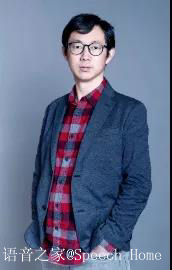
张军平
复旦大学计算机科学技术学院,教授、博士生导师。主要研究方向是人工智能、机器学习、图像处理、生物认证及智能交通。张军平教授为人工智能著名期刊 IEEE Intelligent Systems 编委,为国内期刊《软件学报》、《自动化学报》和《模式识别与人工智能》等多家期刊的责任编辑。他是中国自动化学会混合智能专业委员会副主任。曾在人工智能顶级会议 AAAI19上担任area chair。目前,张军平教授发表近 100 篇高质量论文,包括 IEEE TPAMI, TNNLS, ToC, TAC, TITS, TVCG 等国际期刊和 ICML, ECCV 等国际会议。张军平教授撰写的人工智能科普书《爱犯错的智能体》于2019年在清华大学出版社出版,该书同年获得中国自动化学会科普奖。
题目:人工智能进展及思考
摘要:近年来,人工智能有了大量实际应用落地。我将介绍其成功的主要原因,关键技术,以及 存在的问题,并讨论其在声音和音乐可能结合的发展方向。